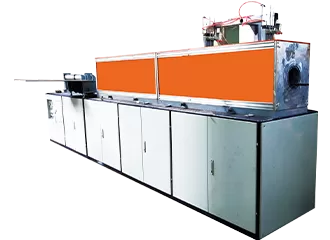
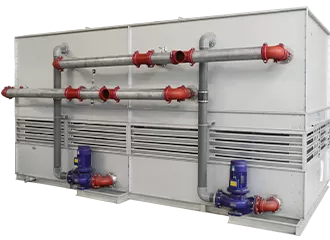
English
 Charge
Prepared metal charge is loaded into a correctly selected and installed furnace lining.

Lightweight Aluminum-Alloy Shell. Simple Reducer Tilting. Flexible Batch Melting.
Dinghong manufactures DHL aluminum shell induction furnaces with aluminum-alloy cast or welded furnace bodies and reducer-driven tilting systems. Available in nominal capacities from 0.1 to 8 tons, each furnace can be matched with a medium-frequency power supply, cooling and electrical equipment according to the metal, batch size, required output and local voltage.
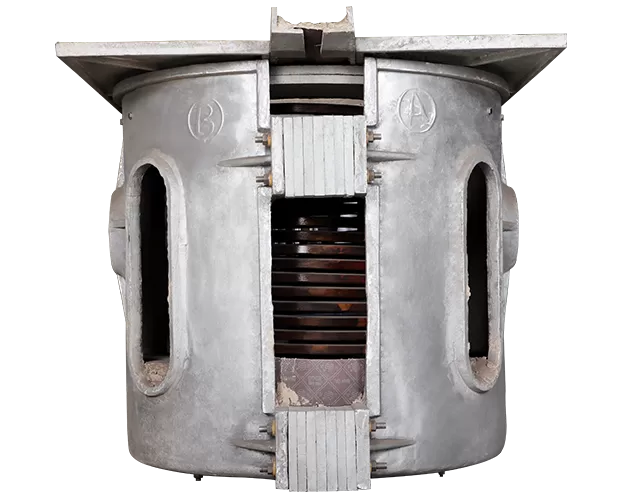
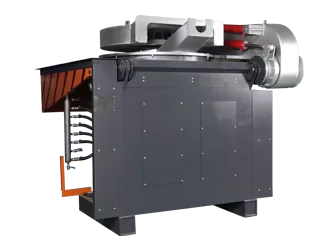
The DHL aluminum shell furnace is a medium-frequency induction melting furnace built with a cast or welded aluminum-alloy outer body. Its lightweight shell provides a compact furnace structure, while the matched power supply, induction coil, refractory lining and process settings are configured around the metal and production target.
Also specified as an aluminium shell induction furnace, this model forms part of Dinghong’s induction metal melting furnace range and emphasizes a lightweight, compact and economical furnace body. The original configuration uses a tilting system driven by a motor and reducer, making it suitable for small-to-medium capacity work where simple operation and installation flexibility are important.
The shell is cast or welded from aluminum alloy to provide a comparatively lightweight and compact supporting structure.
A motor and gearbox drive the furnace tilting movement for charging, melting and controlled pouring.
The 0.1–8 ton model range supports flexible batch selection for foundry projects with different production requirements.
Unlike a steel shell furnace, the standard aluminum shell structure does not include magnetic yokes, a furnace cover or the same level of integrated protection devices.
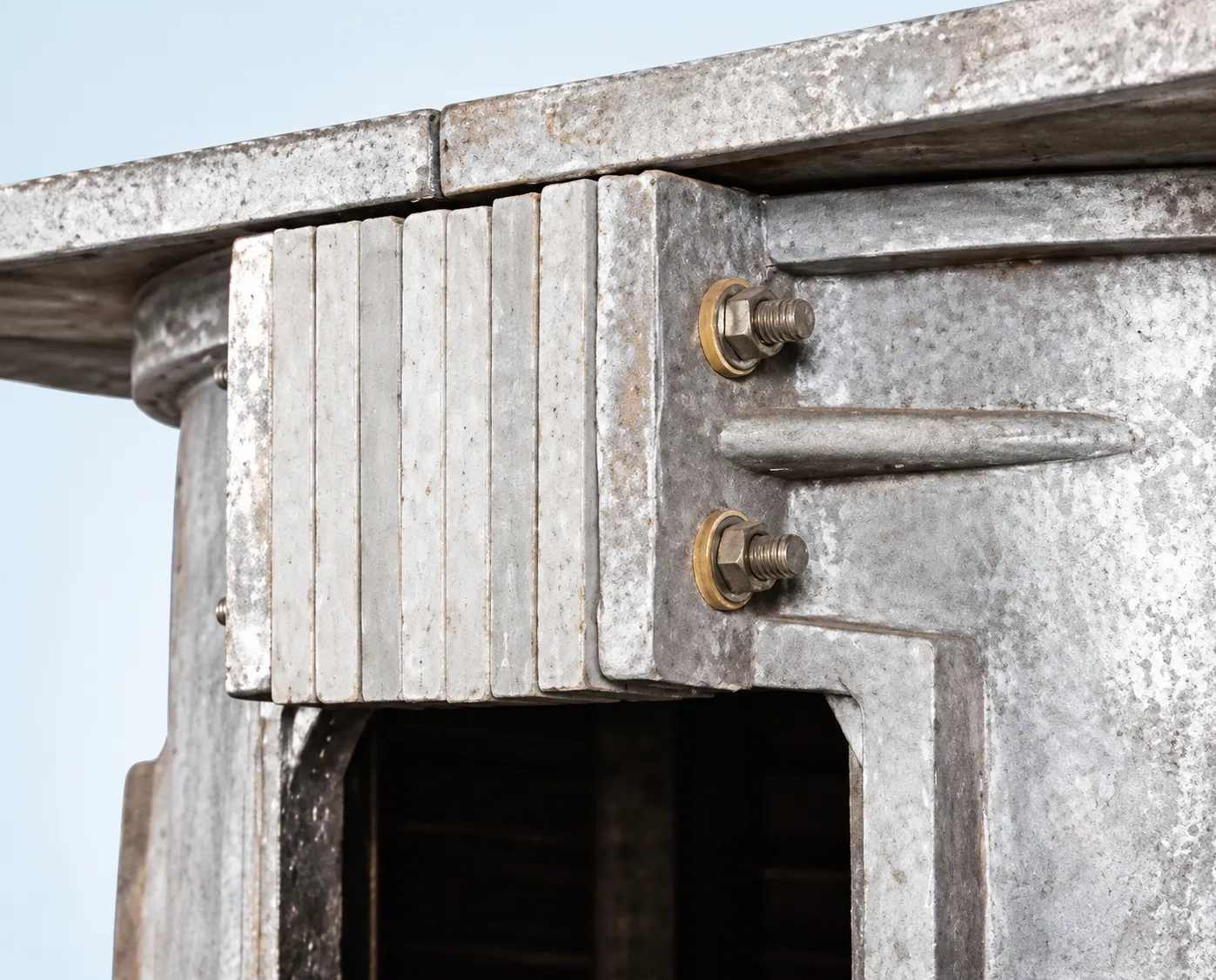
A matched medium-frequency power supply energizes the water-cooled induction coil, creating an alternating magnetic field and induced current within the metal charge. The final power, frequency, lining and operating settings must be selected for the actual metal and production target.
Prepared metal charge is loaded into a correctly selected and installed furnace lining.
The power supply energizes the water-cooled coil and transfers electrical energy into the charge.
Induced current heats the charge while power, temperature and process timing are controlled.
The reducer-driven tilting system rotates the furnace body for controlled metal pouring.
Select nominal furnace capacity together with the required production rate, metal, matched power supply and operating schedule. Furnace capacity alone does not determine tons per hour.
| Model | Coil Inner Dia. mm | Coil Weight kg | Aluminum Shell Inner Dia. mm | Loading Height mm | Shell + Cover Plate Weight kg | Shell Overall Dimension mm | Height mm | Reducer | Reducer Size mm | Reducer Weight t | Furnace Weight t |
|---|---|---|---|---|---|---|---|---|---|---|---|
| 0.1T | 380 | 45 | 480 | 330 | 60 | 600 × 600 | 600 | 231 | 650 × 550 × 450 | 0.09 | 0.3 |
| 0.25T | 440 | 60 | 730 | 460 | 130 | 900 × 900 | 830 | 231 | 650 × 550 × 450 | 0.09 | 0.35 |
| 0.3T | 460 | 75 | 850 | 550 | 150 | 1000 × 1000 | 950 | 431 | 700 × 800 × 650 | 0.5 | 0.6 |
| 0.35T | 480 | 90 | 850 | 650 | 170 | 1000 × 1000 | 950 | 431 | 700 × 800 × 650 | 0.5 | 0.75 |
| 0.5T | 550 | 135 | 1020 | 700 | 260 | 1250 × 1200 | 1100 | 431 | 700 × 800 × 650 | 0.5 | 0.95 |
| 0.75T | 630 | 160 | 1100 | 800 | 290 | 1310 × 1310 | 1100 | 431 | 700 × 800 × 650 | 0.5 | 1.2 |
| 1T | 700 | 210 | 1180 | 900 | 400 | 1400 × 1400 | 1300 | 431 | 700 × 800 × 650 | 0.5 | 1.6 |
| 1.5T | 760 | 245 | 1280 | 1000 | 560 | 1540 × 1540 | 1350 | 431 | 700 × 800 × 650 | 0.5 | 1.9 |
| 2T | 850 | 310 | 1350 | 1200 | 740 | 1600 × 1600 | 1600 | 531 | 850 × 950 × 850 | 0.6 | 2.3 |
| 2.5T | 900 | 350 | 1420 | 1260 | 935 | 1740 × 1740 | 1700 | 531 | 850 × 950 × 850 | 0.6 | 2.65 |
| 3T | 920–950 | 400 | 1600 | 1350 | 1200 | 1950 × 1950 | 1800 | 631 | 950 × 1050 × 850 | 0.75 | 4.3 |
| 5T | 1150–1200 | 580 | 1750 | 1480 | 1650 | 2100 × 2100 | 1900 | 631 | 950 × 1050 × 850 | 0.75 | 6.5 |
| 8T | 1380 | 950 | 1850 | 1700 | 2200 | 2200 × 2200 | 2200 | 831 | 1200 × 1350 × 1150 | 1.3 | 8.2 |
Dimensions are shown as length × width or length × width × height where applicable. Confirm all production and installation values in the approved technical proposal.
Send the metal, batch size, required tons per hour and local voltage for model, power and reducer selection.
A 0.1 ton or 1 ton aluminum shell furnace describes nominal batch capacity—not guaranteed hourly production. Melting output depends on the metal, power, frequency, charge condition, tapping temperature, operating time and furnace arrangement.
Dinghong can supply the DHL furnace body or configure a complete induction melting system. The technical quotation defines the power, electrical, cooling, tilting, control and spare-parts scope required for the project.
Cast or welded aluminum-alloy shell, induction coil, lining area, cover plate and reducer-driven tilting structure selected for the nominal capacity.
View furnace models →Power and operating frequency are matched to the metal, furnace capacity, melting cycle and production target.
Explore power supplies → ElectricalTransformer, capacitors, reactor and electrical arrangement are configured for the local grid and approved system design.
View transformer functions → CoolingCooling capacity and water conditions are matched to the power supply, induction coil and site environment.
View cooling solutions → TiltingThe reducer model and mechanical arrangement are selected according to furnace capacity and pouring requirements.
View gear reducer → SupportControl equipment, water-cooled cables, coils, electrical parts and project-specific spare parts can be included.
Explore furnace spare parts →Ask Dinghong to define the complete furnace, power, cooling and electrical supply scope.
The DHL aluminum shell melting furnace combines a compact furnace body, induction heating and reducer-driven tilting for flexible small-to-medium batch production.
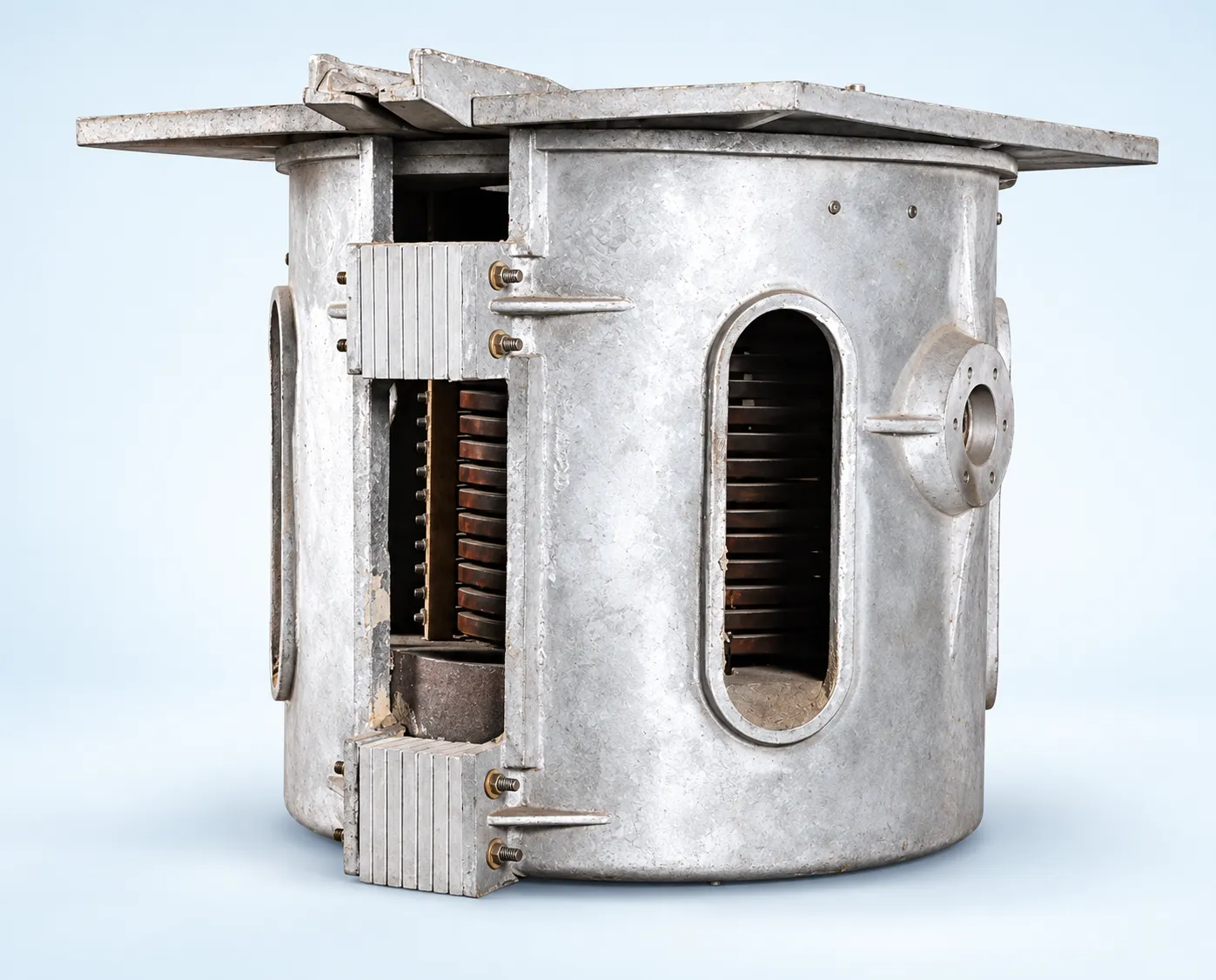
Induction heating supports rapid melting and heating, straightforward furnace-temperature control and efficient batch production.
The matched furnace and power system is designed for effective electrical-energy utilization without direct fuel combustion.
The aluminum-alloy shell provides a compact furnace body with comparatively low weight and strong short-term overload capability.
During properly controlled operation, the temperature around the furnace is comparatively low, with less smoke and dust at the melting station.
The operating process is straightforward, while induction stirring supports a more uniform metal composition under the correct process settings.
High furnace utilization and convenient furnace or lining changes support workshops that handle different production batches.
Review the furnace capacity, reducer, power supply and workshop conditions with Dinghong.
When comparing this aluminum-shell design with Dinghong’s Steel Shell Furnace, the selection should consider furnace capacity, duty cycle, tilting method, safety configuration and investment priorities.
| Selection Point | Aluminum Shell Furnace | Steel Shell Furnace |
|---|---|---|
| Outer structure | Cast or welded aluminum-alloy shell | Rigid welded steel structure |
| Typical priority | Lightweight, compact and economical configuration | Structural rigidity, protection and demanding production |
| Capacity positioning | Primarily small-to-medium nominal capacities | Frequently selected for medium and large capacities |
| Tilting arrangement | Motor and gear reducer in the original DHL configuration | Hydraulic tilting commonly available |
| Magnetic yokes | Not included in the standard structure described for this model | Magnetic yokes support the coil and help control leakage flux |
| Cover and protection | Simpler standard protection configuration | Can integrate a furnace cover, anti-fall guard and additional protection |
| Final decision | Confirm against metal, output, capacity, duty cycle, safety plan, workshop conditions and total system cost. | |
Compare initial investment, duty cycle, capacity, tilting and safety requirements before selection.
Each project is configured around the intended metal, required temperature and production output, with the lining, power supply and process settings matched accordingly.
Flexible batch capacity for foundries selecting a compact medium-frequency melting furnace.
Suitable for workshops with changing orders, batch quantities or casting schedules.
Can be evaluated as a supporting or backup furnace within a larger production arrangement.
Convenient furnace utilization and changeover for projects handling different production batches.
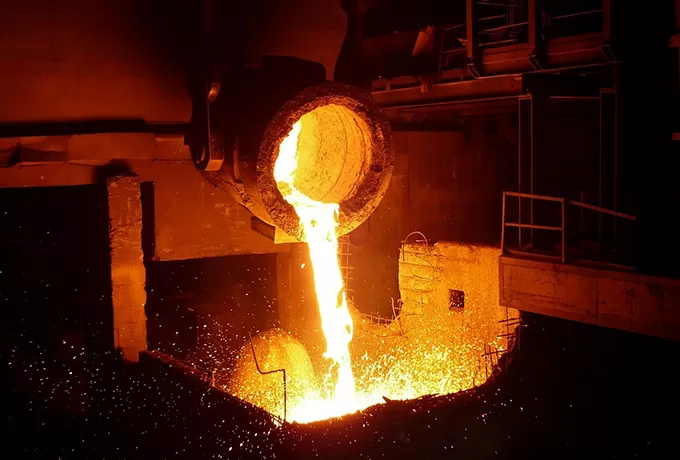
Induction melting and heating systems for foundry production.
View Application →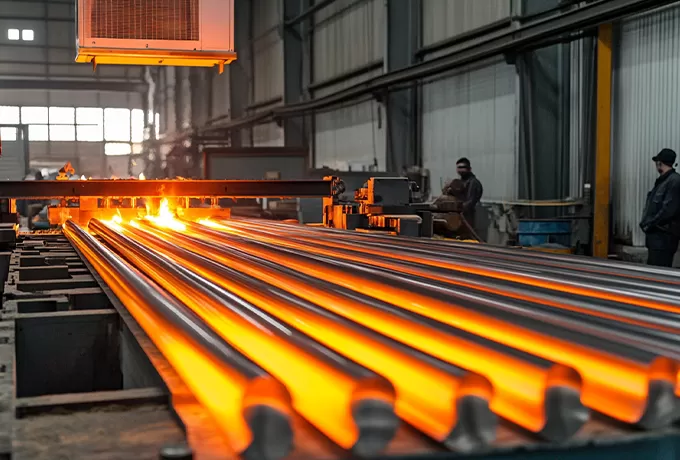
Controlled induction heating solutions for forging processes.
View Application →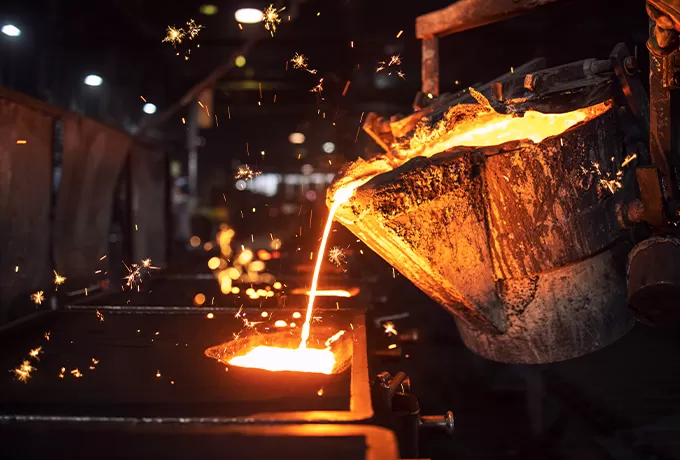
Melting, heating and process solutions for metal production.
View Application →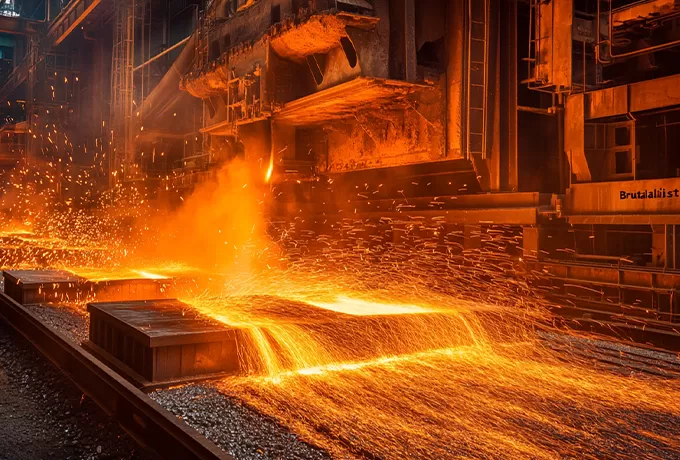
Induction equipment for controlled component heat treatment.
View Application →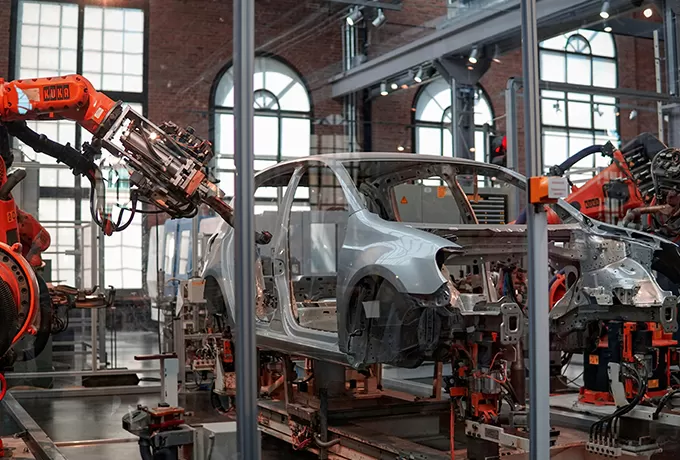
Induction heating systems for automotive component production.
View Application →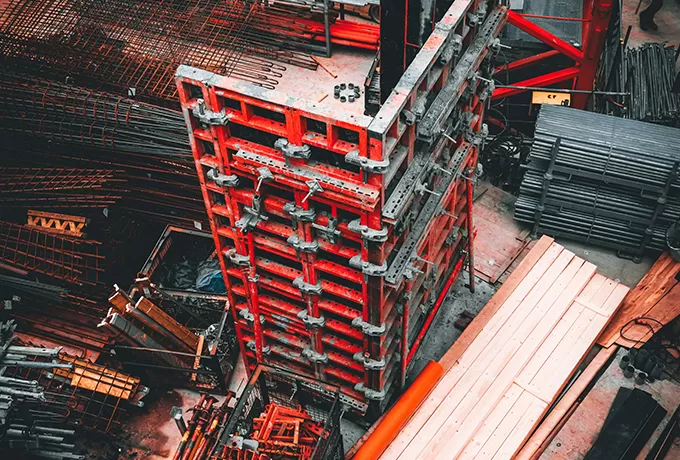
Heating solutions for industrial building-material production.
View Application →There is no single price for every aluminum shell induction furnace. A comparable quotation must define the furnace body, power system, cooling, electrical equipment, delivery and service scope.
Send your operating requirements for a defined technical configuration and project price.
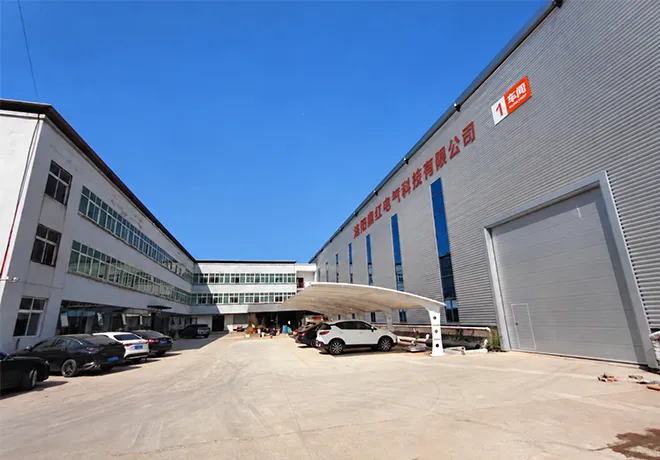
Luoyang Dinghong Electric Technology Co., Ltd. designs and manufactures medium-frequency induction furnaces, power supplies and complete industrial heating systems for foundry, metallurgy, machinery and metal-processing projects.
Dinghong can review the metal and output requirement, match the furnace body with power and cooling equipment, prepare technical documentation, manufacture the approved system and provide delivery and after-sales support.
View the company brochure for an introduction to Dinghong, its induction furnace portfolio, supporting equipment and industrial solutions.
Metal, output, voltage and plant conditions are confirmed before selection.
Furnace, power, cooling, tilting and auxiliary equipment are matched.
Key furnace and electrical assemblies are produced to the approved design.
Mechanical, cooling, electrical and operating checks are completed before delivery.
Drawings, manuals, packing, installation guidance and spare-parts support are prepared.
In this furnace type, the outer supporting body is cast or welded from aluminum alloy. This construction helps reduce furnace-body weight and supports a compact, economical layout for small-to-medium-capacity melting systems.
Yes. The suitable metal range is determined by the matched power supply, operating frequency, induction coil, refractory lining, tapping temperature and approved process configuration. Share the metal and production target with Dinghong before model selection.
The DHL range includes nominal capacities of 0.1, 0.25, 0.3, 0.35, 0.5, 0.75, 1, 1.5, 2, 2.5, 3, 5 and 8 tons. The final model must also meet the required hourly or daily output.
The 0.1 ton model can be evaluated for small-batch metal melting. Suitability depends on the metal, charge condition, required melting time, temperature, available electrical capacity and production schedule.
The original configuration uses a motor and gear reducer to drive furnace tilting. Reducer model, dimensions and mechanical arrangement vary with furnace capacity.
The furnace can be supplied with a matched power system. The quotation should clearly identify whether it includes the furnace body, power cabinet, transformer, compensation equipment, cooling, cables, control and spare parts.
An aluminum shell furnace prioritizes a lightweight, compact and economical structure for small-to-medium capacity work. A steel shell furnace is commonly selected where structural rigidity, hydraulic tilting, magnetic yokes and more complete protective configurations are priorities.
Price depends on capacity, metal, required output, power rating, reducer model, furnace quantity, transformer, cooling, controls, spare parts, delivery destination and technical-service scope.
Please provide the metal and grade, capacity per batch, hourly or daily production target, working hours, charge material, tapping temperature, local voltage and frequency, installation country and required supply scope.
Compare matched power supplies, an alternative furnace-body structure and supporting heating or cooling equipment when defining the complete project scope.
Send the metal, furnace capacity, production target and local voltage for a complete system recommendation.
Explore practical guidance for operating induction furnaces, reviewing manufacturers and evaluating complete melting-system suppliers.
 September 02, 2026
Review preparation, charging, temperature control, pouring and routine practices for a safer and more consistent melting process.
Read Article → August 30, 2026
Learn which engineering, manufacturing, documentation and service capabilities matter when evaluating an induction-equipment partner.
Read Article →
August 28, 2026Compare supplier capability by system matching, technical documentation, quality control, commissioning support and project experience.
Read Article →Tell us what you melt, how much you need per batch and your production target. Our team will review the furnace capacity, reducer, power supply, cooling and complete system scope required for your project.