
Discover how parallel medium-frequency power supply systems boost efficiency in casting and forging. Learn key benefits, applications, and why leading manufacturers choose this technology.
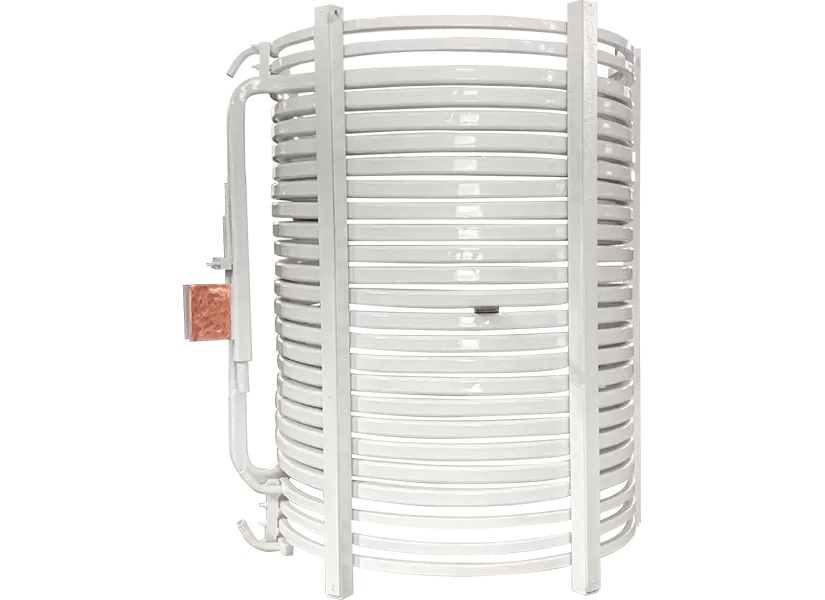
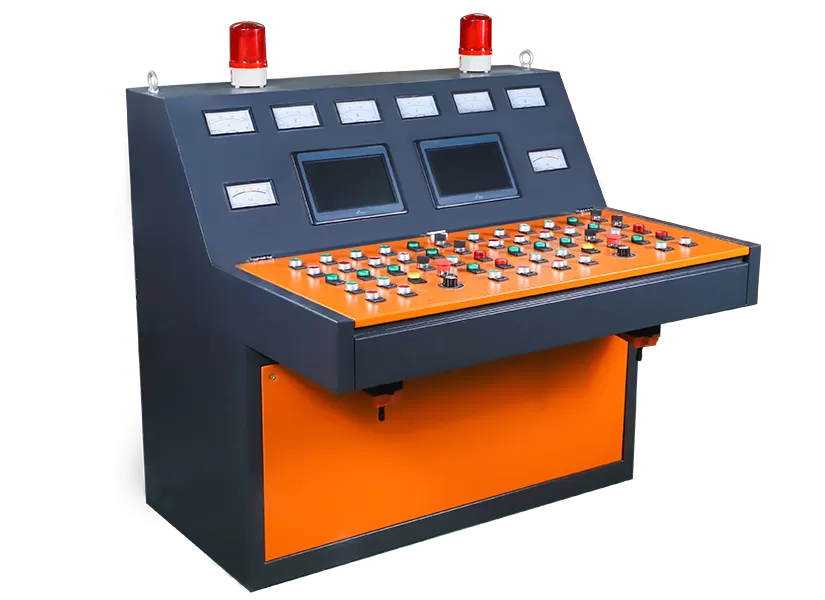
A parallel medium-frequency induction heating power supply is a type of induction heating power supply where two or more inverter units operate simultaneously on a shared DC bus, powering one or multiple furnace bodies. Unlike a series configuration, the parallel design allows independent control of each inverter module — making it a preferred choice for demanding casting furnace and forging heating furnace operations. This technology is widely adopted in industries such as foundry, metallurgy, and auto parts manufacturing — precisely the environments where reliability, energy efficiency, and flexible operation are non-negotiable.
One of the standout advantages of the parallel medium-frequency power supply is the ability to run multiple induction melting furnaces from a single power source. Operators can switch loads between furnace bodies without shutting down the entire system — a critical feature for continuous metal casting furnace and forging induction heater workflows. This flexibility also means reduced downtime. If one inverter module requires maintenance, the remaining units continue operating, keeping production lines moving.
Energy consumption is a top concern in industrial induction furnace operation. Parallel systems distribute the load evenly across inverter modules, preventing overload on any single unit. The result is lower harmonic distortion fed back into the grid and measurably reduced furnace power consumption — a benefit that directly impacts operating costs. For facilities running aluminum melting furnaces, steel melting furnaces, or copper melting furnaces around the clock, these savings compound significantly over time. Learn more about induction heating energy efficiency standards from the U.S. Department of Energy.
In both induction furnace for forging and induction casting furnace applications, voltage stability is critical. The parallel architecture provides redundancy — if one module underperforms, others compensate automatically. This ensures consistent induction furnace temperature control, which directly affects metal quality and yield. Compared to single-unit configurations, parallel systems demonstrate significantly lower failure rates in high-cycle medium-frequency induction furnace environments.
The parallel medium-frequency power supply is purpose-built for high-intensity industrial environments:
Foundry & Casting: Powers coreless induction furnaces for iron melting, aluminum induction melting, and non-ferrous metal melting furnaces
Forging & Heat Treatment: Drives induction billet heaters and forging heating furnaces requiring precise, repeatable heating cycles
Metallurgy: Supports steel melting induction furnaces and electroslag remelting furnaces with high power demand
Auto Parts Manufacturing: Used in induction heat treatment equipment for components requiring hardness uniformity
For a deeper look at induction heating applications in manufacturing, see The Metals Handbook from ASM International.
Luoyang Dinghong Electrical Technology Co., Ltd. has been manufacturing professional induction heating power supply systems since 1990. Our parallel medium-frequency power supply units are engineered with:
12-pulse rectifier technology to minimize harmonic interference
Independent inverter modules for multi-furnace, simultaneous operation
Built-in thyristor power control for precise, responsive output
Compliance with international safety and efficiency standards
With 11 registered patents and decades of field experience, Dinghong delivers induction melting power supplies trusted by foundries, steel mills, and forging plants across the global market.
The parallel medium-frequency power supply represents a proven, high-efficiency solution for modern casting furnace and forging heating furnace operations. Its combination of load flexibility, energy savings, and redundant reliability makes it the preferred induction heating power supply for facilities that cannot afford downtime or inefficiency. Whether you operate an aluminum melting furnace, a steel induction furnace, or a multi-line induction melting system, this technology delivers measurable advantages at every scale.
In a parallel system, inverter modules share a common DC bus and can operate independently, offering greater flexibility and redundancy. A series configuration connects components sequentially, which can simplify design but limits multi-furnace capability. For high-demand industrial induction furnace operations, parallel systems are generally preferred.
Yes. This is one of the core advantages. A single parallel medium-frequency induction heating power supply can drive multiple induction melting furnaces at the same time, making it ideal for foundries and forging plants with high production volumes.
Absolutely. The stable output and adjustable frequency of parallel systems make them well-suited for aluminum melting induction furnaces, where precise temperature control is essential to prevent oxidation and ensure alloy quality.
By using 12-pulse rectifier technology across distributed inverter modules, parallel systems cancel out certain harmonic frequencies before they re-enter the power grid — resulting in smaller harmonic impact compared to standard 6-pulse configurations.
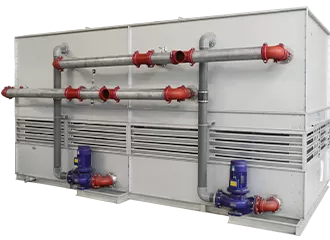
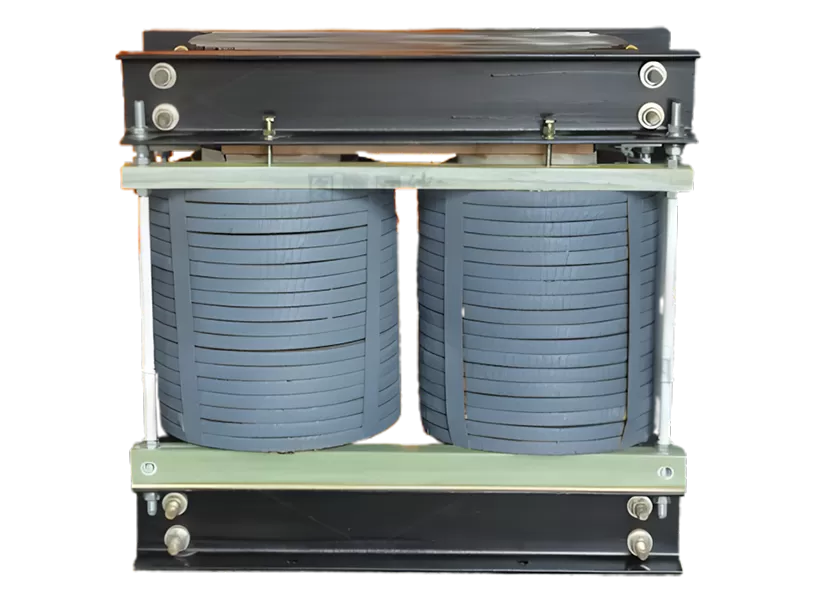
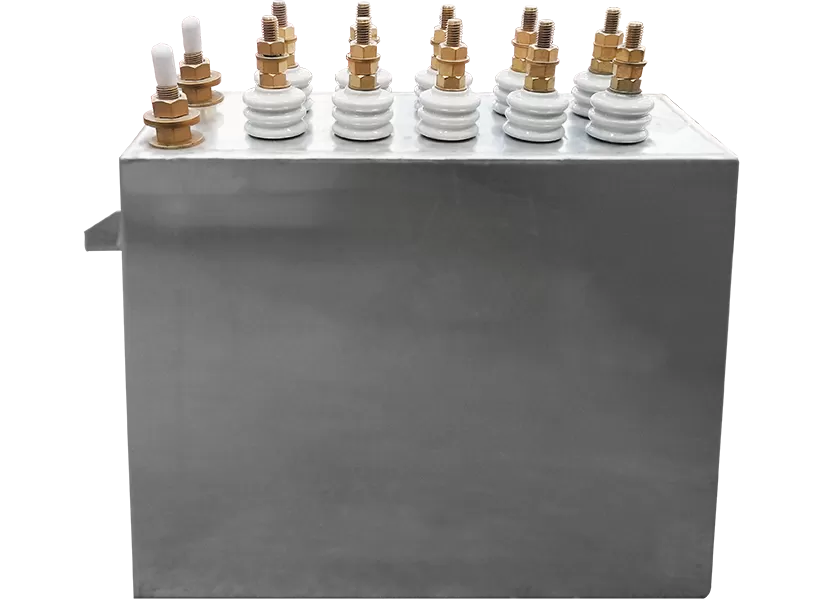
Key maintenance tasks include periodic inspection of thyristor modules, capacitors, cooling water flow (especially in systems paired with a closed cooling tower), and checking the reactor and transformer connections. Modular design makes servicing individual components straightforward without full system shutdown.
 English