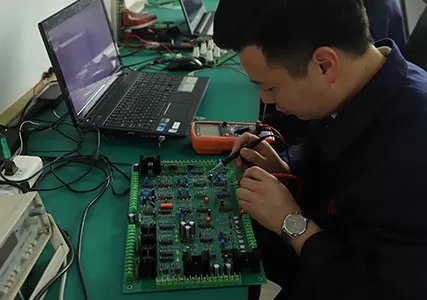

Learn how to maintain your series medium-frequency induction furnace power supply with this practical guide — covering thyristors, capacitors, cooling systems, and more to maximize equipment lifespan.
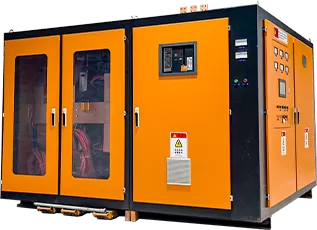
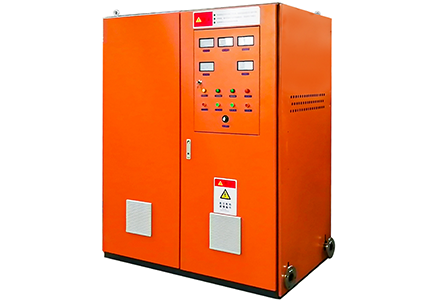
A 1V1 series medium-frequency power supply is the dedicated heartbeat of your induction melting furnace. In a one-to-one configuration, a single power unit drives a single furnace body — meaning any unplanned failure directly halts production. Whether you operate a steel
melting induction furnace, a copper melting furnace, or an aluminum induction melting furnace, a disciplined maintenance routine is the most cost-effective way to protect your investment and maximize equipment lifespan.
Neglected power supplies don't just fail suddenly — they degrade gradually, showing up as unstable induction furnace temperature control, increased furnace power consumption, and eventually, costly component replacement. The good news: most failures are preventable.
Consistent, short inspections catch small issues before they escalate. For any medium-frequency induction furnace running in casting, forging, or metallurgy applications, establish these habits:
Daily checks:
Verify cooling water flow and inlet/outlet temperature across the closed cooling tower circuit
Listen for unusual sounds from the inverter cabinet — buzzing or irregular switching tones often signal a weakening thyristor
Confirm the control panel displays normal frequency and power output readings
Weekly checks:
Inspect all electrical connections for signs of overheating, corrosion, or loosening — pay particular attention to transformer and reactor terminal points
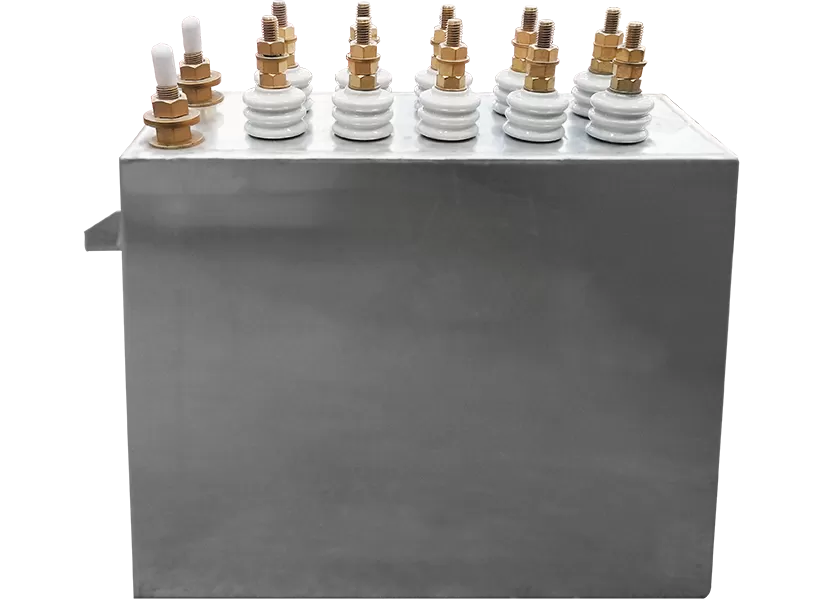
Check capacitor banks for bulging, leaking, or discoloration, as capacitor degradation is one of the leading causes of power supply instability in induction furnace power supply systems
Clean dust and debris from ventilation panels and internal fans
For general best practices on industrial electrical inspection intervals, refer to NFPA 70B: Recommended Practice for Electrical Equipment Maintenance.
In any series inverter induction heating power supply, the thyristor and capacitor are the two components most likely to limit service life if overlooked.
Thyristor maintenance: The thyristor (SCR) controls the switching behavior of the inverter. Over time, thermal cycling weakens solder joints and reduces gate sensitivity. Key practices include:
Check thermal paste between thyristor and heat sink every 6 months
Use a multimeter to test forward/reverse blocking voltage annually
Replace thyristors in matched pairs or sets to maintain circuit symmetry
Capacitor maintenance: Power capacitors in the resonant circuit of a medium frequency furnace are subject to continuous voltage stress. Signs of capacitor wear include reduced resonant frequency accuracy and increased harmonic noise. Replace capacitors that show capacitance drop exceeding 5% from rated value.
For technical reference on capacitor lifecycle in power electronics, see IEEE standards on power capacitor applications.
Heat is the silent killer of induction heating power supply components. The cooling circuit — typically a closed cooling tower paired with internal water channels — must be maintained with the same diligence as electrical components.
Key cooling system tasks:
Flush and replace cooling water every 6–12 months; use demineralized water with appropriate corrosion inhibitors
Inspect and clean heat exchanger surfaces inside the closed-type cooling tower to prevent scale buildup that reduces cooling efficiency
Check water pump seals and flow rate against rated specifications — insufficient flow directly raises operating temperature of the induction furnace coil and power cabinet
Inspect the induction coil for signs of localized overheating, which may indicate blocked water channels inside the coil body
Maintaining proper coolant quality extends the life of not just the power supply, but the entire induction melting furnace system, including the furnace shell and lining.
Beyond routine checks, a structured annual or biennial overhaul ensures long-term reliability of your series medium-frequency power supply:
Full inspection and re-torquing of all bus bar and cable connections in the induction power supply cabinet
Replacement of aging reactor core insulation if discoloration or cracking is detected
Calibration of control transformer output voltage against design specifications
Testing of all protection circuits — overcurrent, overtemperature, and undervoltage trips
Review of induction furnace spare parts inventory: ensure critical spares (thyristors, capacitors, fuses) are stocked on-site to minimize downtime during unplanned repairs
Dinghong recommends partnering with your equipment supplier for overhaul support. Luoyang Dinghong Electrical Technology Co., Ltd. provides genuine induction furnace spare parts and after-sales technical support for all series medium-frequency power supply systems.
A well-maintained series medium-frequency induction furnace power supply will reliably serve your casting furnace, forging heating furnace, or metal melting furnace operation for many years beyond its nominal design life. The key is consistency: daily cooling checks, regular thyristor and capacitor inspections, and scheduled overhauls form the foundation of a low-failure, high-efficiency induction melting system. Invest in maintenance today, and your power supply will return that investment many times over in uninterrupted production uptime.
There is no fixed replacement interval — thyristors should be tested annually and replaced when electrical testing shows degraded blocking voltage or gate sensitivity. In high-cycle induction melting furnace operations, some facilities replace thyristors proactively every 3–5 years as part of a scheduled overhaul.
Demineralized or deionized water with a pH between 7–8 and a suitable corrosion inhibitor is recommended. Hard tap water causes scale deposits inside the induction coil and closed cooling tower heat exchanger, significantly reducing cooling efficiency and shortening component life.
Watch for reduced power output, unstable furnace temperature control, unusual humming from the resonant circuit, or visible physical damage (bulging, discoloration, leaking dielectric fluid). Capacitance measurement below 95% of rated value is a reliable indicator for replacement.
Daily visual checks and cooling system monitoring can be done during operation. However, any electrical inspection — including thyristor testing, connection re-torquing, or capacitor measurement — must be performed only after a full lockout/tagout shutdown in accordance with electrical safety standards.
Luoyang Dinghong Electrical Technology Co., Ltd. supplies genuine induction furnace spare parts including thyristors, capacitors, reactors, transformers, and control boards. Contact Dinghong directly or visit the official website to confirm part compatibility for your specific induction heating power supply model.
 English